Psychology of Colors is one of the most powerful yet often underestimated elements in web design. The colors you choose directly influence how visitors perceive your brand, how long they stay on your site, and whether they take action such as making a purchase or signing up for a newsletter. By understanding the emotional and psychological impact of colors, you can design websites that not only look beautiful but also convert better.
Psychology of Colors – How Colors Influence Emotions?
Each color carries strong emotional associations that shape user behavior:
- Blue – Conveys trust, professionalism, and security. That’s why it’s widely used by Facebook, PayPal, and LinkedIn.
- Red – Evokes urgency, passion, and excitement. Commonly seen in clearance sales and strong branding like Coca-Cola.
- Green – Represents growth, health, and relaxation. Brands such as Starbucks and Whole Foods use green to reinforce eco-friendly and healthy lifestyles.
- Yellow – Creates a sense of optimism, energy, and creativity. It’s effective for grabbing attention, seen in McDonald’s and Snapchat.
- Black & Gold – Symbolize luxury, power, and exclusivity. Perfect for premium or high-end brands.

Choosing the Right Colors for Your Website
When applying the psychology of colors in web design, it’s important to think about your audience and brand message. A financial institution might lean toward blue for trust, while a wellness brand could benefit from green tones to reinforce calmness and sustainability.
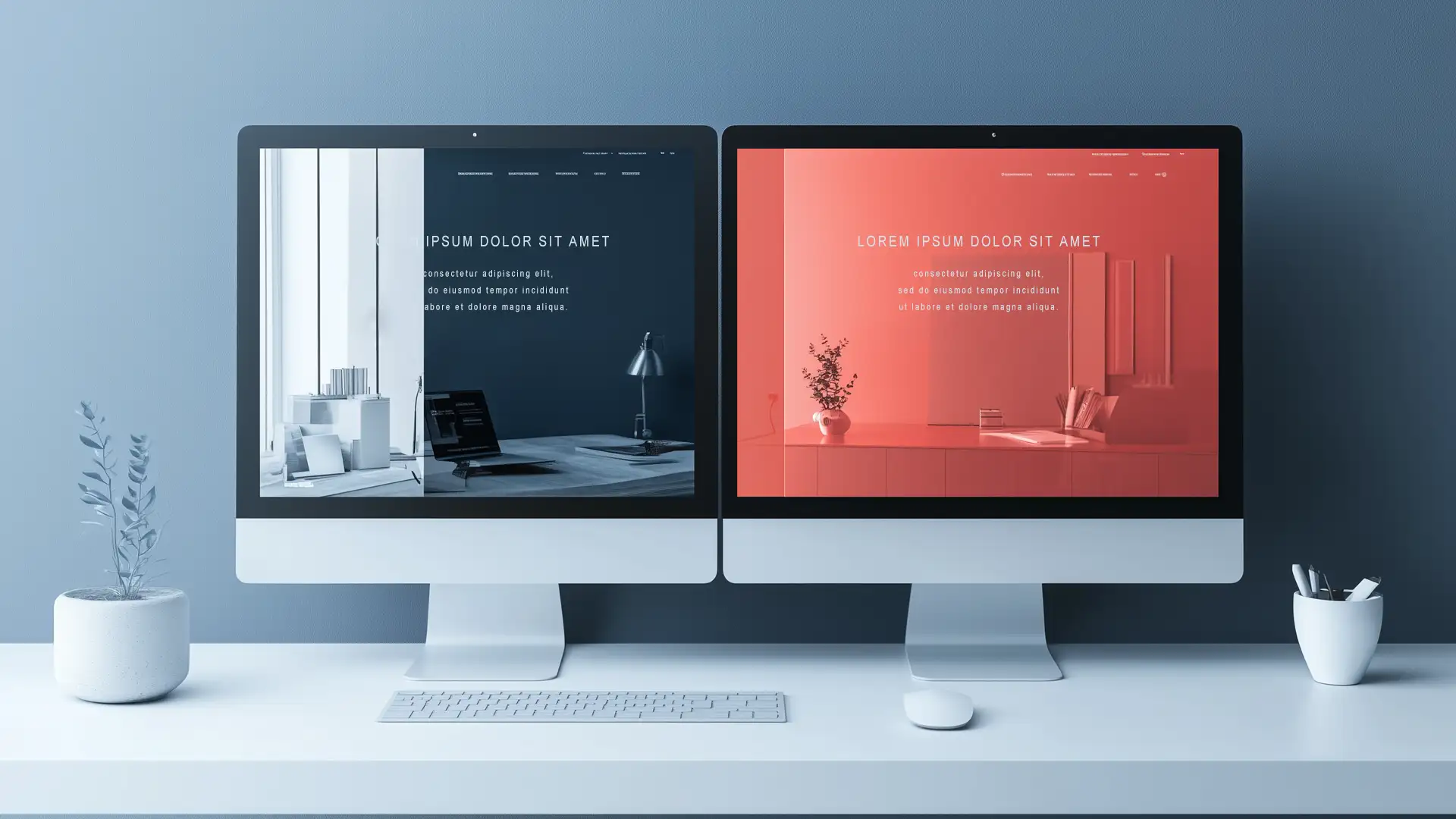
A great way to refine your choices is through A/B testing. Try different color schemes for buttons, call-to-actions, or backgrounds to see which combination drives higher engagement and conversions. Consistency across your entire website—logo, typography, images, and CTAs—strengthens brand recognition and helps visitors feel more connected.
The Power of the Psychology of Colors
The psychology of colors is not just about aesthetics; it’s about creating a deeper connection with your audience. By strategically applying color psychology in your web design, you can guide emotions, influence decisions, and ultimately boost conversions. The right color palette can transform a good website into a memorable, high-performing digital experience.